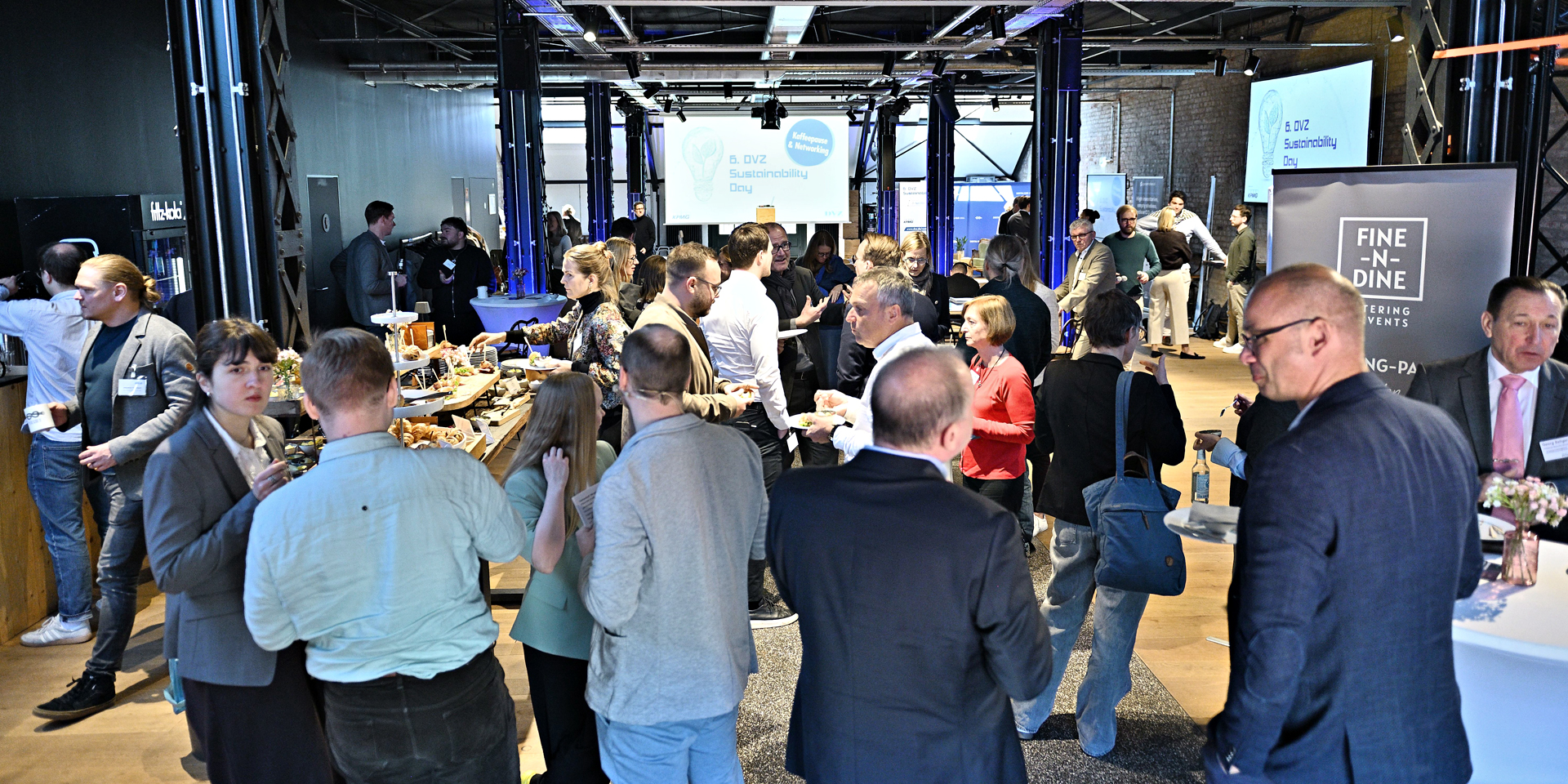
Two weeks ago, the DVZ hosted the 6th Sustainability Day at the Digital Hub Logistics and Commerce in Hamburg. This year’s focus was on the circular economy. To achieve this, a shift in mindset is required; it is not enough simply to be “less bad”, as Timo Janßen, Executive Director of the Cradle to Cradle NGO, put it.
The aim is to keep raw materials within biological or technical cycles. Logistics is essential to this, as these cycles would not be possible without reverse logistics. Gabriele Maurer, Vice President of Sustainability at Jungheinrich, presented a practical example. This involves the remanufacturing of used forklift trucks, in which 99 per cent of the parts can be reused.
Another topic was social sustainability, which is often relegated to the “HR corner”. Issues such as inclusion and equality are frequently overlooked, according to Şükran Gencay, who is part of Hellmann’s sustainability leadership team. “Talking about the working conditions of lorry drivers is still uncomfortable for many people.” This is the observation of Prof. Dr. Moritz Petersen from Kühne Logistics University. In practice, sustainability is still a side issue to the core business and not part of corporate strategy, the professor said.
Gleichzeitig stünden Kosten, Kundenanforderungen und Klimaziele in einem regelmäßigen Wettbewerb zueinander. Sandra Achternbusch von Fiege Logistik beobachtet dabei ein Muster: Kunden fordern umfangreiche Nachhaltigkeitskataloge, um dann beim Pitch zu erklären, dass für das Thema keine Zeit sei.
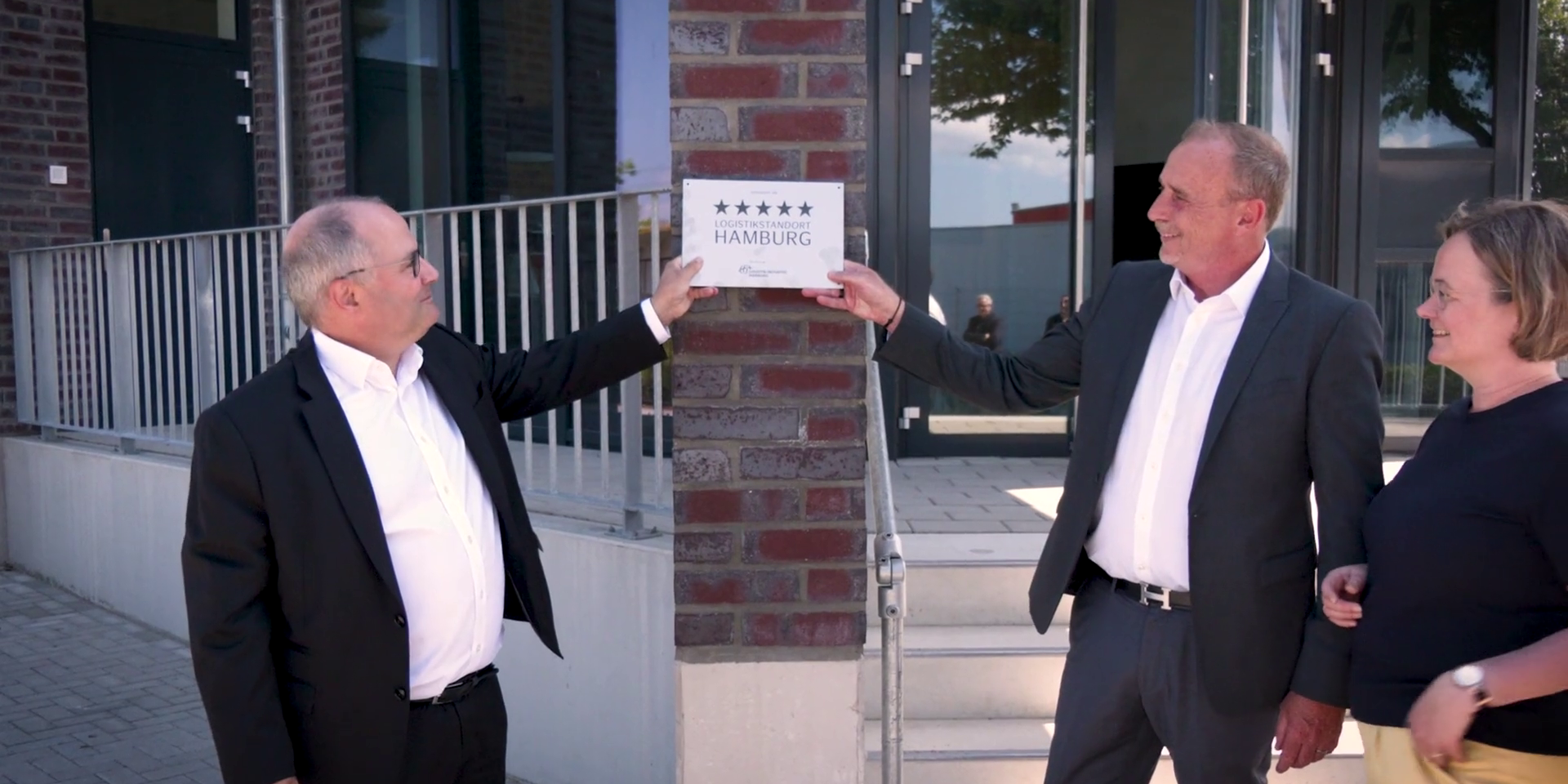
Five stars for logistics that thinks ahead
The companies that help shape it every day are the best example of what makes a 5-star logistics hub. As